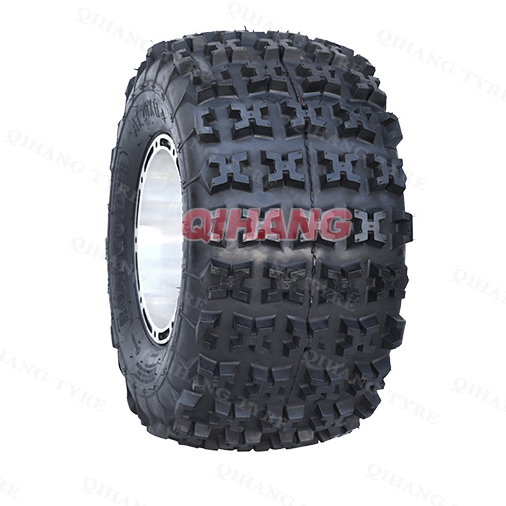
When replacing agricultural tires, subsequent inspection and maintenance must be strictly controlled to ensure the new tires operate safely and efficiently, extending their service life. The following are specific points:
1. Dynamic Balancing Check
Perform dynamic balancing after installation: Uneven mass distribution may occur during tire installation, causing vibrations when the vehicle is in motion. Therefore, a dynamic balancing check and adjustment should be performed after installing new tires to ensure tire stability at high speeds.
2. Four-wheel alignment check
Perform a four-wheel alignment if necessary: If the vehicle experiences problems such as pulling to one side or steering wheel misalignment after tire replacement, the tire mounting angle may have changed. In this case, a four-wheel alignment check and adjustment should be performed to ensure the vehicle's driving performance and safety.
3. Regular Inspection and Maintenance
Regularly check tire pressure: Check tire pressure at least once a week to ensure it meets the standard. Increase the frequency of checks during seasonal changes or significant temperature fluctuations, and adjust tire pressure promptly.
Check tire wear: Regularly check the wear of the tires. Replace the tires immediately when the tread is worn down to the level of a bulge or close to the wear indicator.
Remove foreign objects from tire treads: Promptly remove stones, mud, and other foreign objects from the tire treads to keep the tires clean and maintain good grip.
Avoid contact between tires and sharp objects: During driving, try to avoid contact between tires and sharp objects, chemicals, etc., to prevent punctures or corrosion.